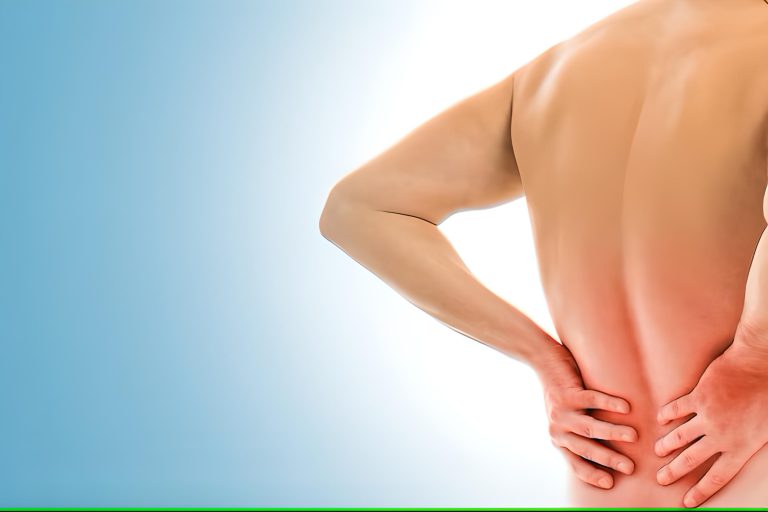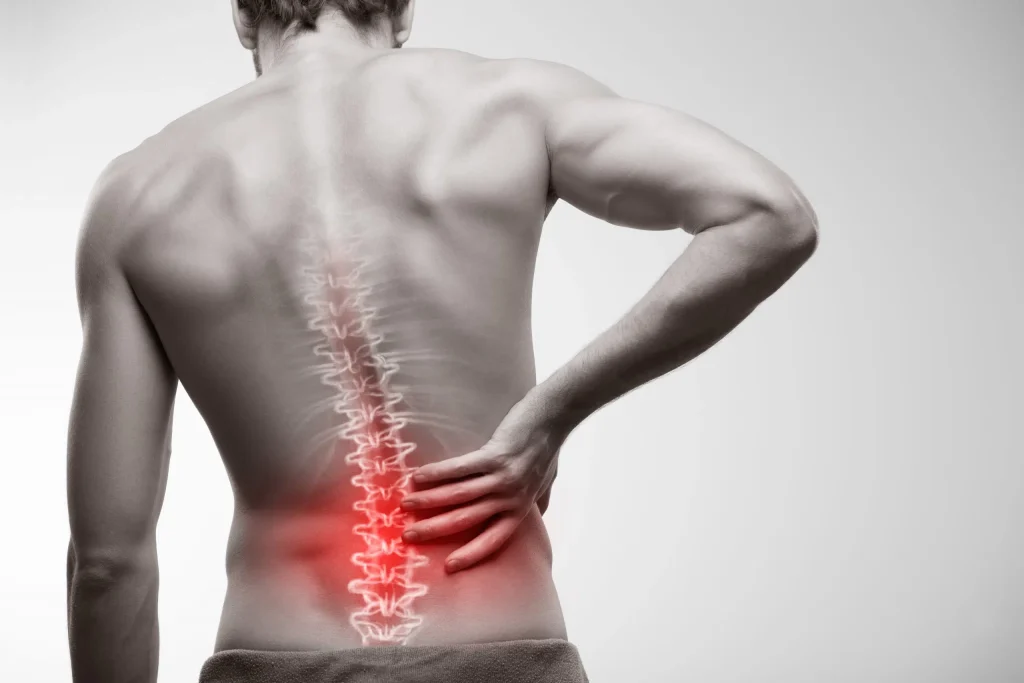
What is Low Back Pain (Lumbago)?
Low back pain is a common medical condition that must have experienced by many people at some point of time. Lumbago means having mild to severe low back pain. The lumbar spine is the body structure that interconnects ligaments, nerves, muscles and bones in order to provide flexibility as well as support to the entire body. After a precise diagnosis of the cause of Lumbago, the treatment options can be chosen based on the patient’s medical history.
Symptoms of Lumbago
Low back pain or Lumbago can show a number of symptoms. There are times when the low back pain can occur suddenly. It can start slowly and can get worse if not treated on time. Some of the symptoms that can be experienced by the patient are mentioned below:
- Having difficulty in walking, standing up straight or standing from sitting posture.
- Burning pain that is moving to the backs of the thighs or legs from the low back
- Muscle spasms
- If there is stiffness in the low back, hips and pelvis
- If there is pain that is getting worse after prolonged standing or sitting
What are the causes of Lumbago?
- Disc injury: The discs that are in the back are prone to any sort of injury. Over the time, the risk of tear of the disc increases. This can sometimes cause low back pain.
- Sciatica: Another cause can be Sciatica that can occur with a herniated disc. This condition occurs if the disc presses the sciatic nerve. This nerve will connect the spine and legs. Because of this, sciatica causes pain in feet and legs.
- Abnormal spine curvatures: abnormal curvatures in the spine such as lordosis and Scoliosis can also cause low back pain.
Treatment of Lumbago
Medical treatment: Based on the patient’s conditions, the treatment can be prescribed. The doctor will first analyze and determine the appropriate dosage of the medicine to the patients. Medications that can be provided to the patients are muscle relaxants and corticosteroid injections. Steroids are also advised to the patients to reduce inflammation. For pain relief, narcotic drugs are given. Apart from this, physical therapy can also be recommended depending on the status of the pain.
Surgery: For some serious cases, surgeries are recommended if medication fails. A foraminotomy can be done to open up the foramen which is a bony hole in the spinal canal. A discectomy can also be suggested in order to relieve the pressure from a nerve root pressed on by bone spur or a bulging disc. After this, the surgeon will remove a small piece of the lamina which is the bony part of the spinal canal.
Frequently Asked Questions (FAQs)
What causes low back pain (lumbago)?
Low back pain is often caused by injuries, muscle strain, poor posture, prolonged sitting, lifting heavy objects, disc degeneration, or herniated discs. Lifestyle choices like not being active enough, being overweight, and changes in the spine that come with getting older can also make lumbago symptoms come back or last a long time.
How can I relieve lumbago at home?
Mild lumbago can be treated at home with rest, hot or cold packs, light stretching, good posture, and avoiding heavy work. Pain and stiffness can be successfully reduced by staying active with light movements, using supportive seating, and doing the exercises that your doctor prescribes.
When should I see a doctor for low back pain?
If your low back pain lasts longer than a few weeks, worsens over time, or is accompanied by stiffness, weakness, fever, or difficulty walking, you should see a doctor. Early medical evaluation helps identify the root causes and prevents problems from getting worse or lasting longer.
What are the most effective treatments for chronic low back pain?
Some treatments that work well include physiotherapy, pain management injections, medications, lifestyle changes, core-strengthening routines, and more advanced non-surgical therapies. In severe cases, minimally invasive spine treatments may be suggested to safely free up pinched nerves and get the person back to working order.
Can physiotherapy help in lumbago recovery?
Yes, physiotherapy is essential for getting better from lumbago because it increases your flexibility, strengthens your core muscles, improves your balance, and eases your pain. Customised exercise plans help restore mobility, prevent problems from recurring, and support spinal health and daily tasks in the long term.
How long does it take to recover from low back pain?
Recovery time depends on what caused the problem and how bad it is. Acute low back pain usually improves in a few weeks. Still, chronic conditions may require care, rehabilitation, and lifestyle changes for several months to achieve long-lasting relief and improved function.