
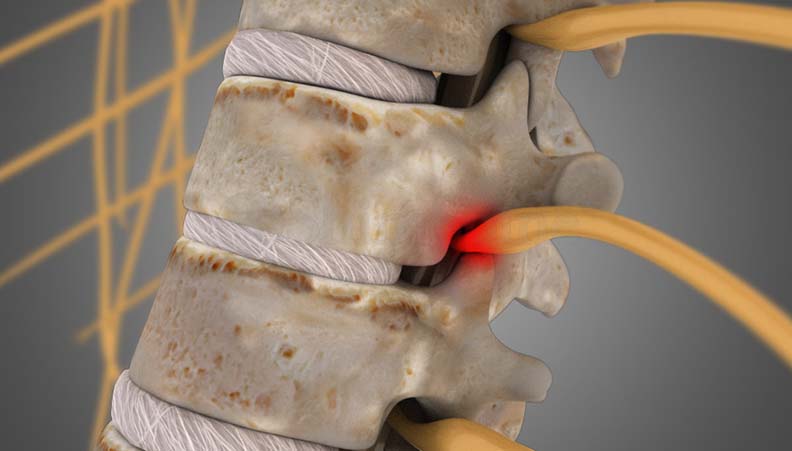
Lumbar spondylitis, also known as lumbar spondylosis or lumbar osteoarthritis, is a condition that affects the lower part of the spine (the lumbar region). It is characterized by the degeneration of the intervertebral discs and the formation of bone spurs in the spine. This can lead to symptoms such as lower back pain, stiffness, and reduced range of motion.
Importance of Early Diagnosis in Lumbar Spondylitis
We at Spine Solutions India believe that the best way to stop lumbar spondylitis from getting worse over time is to find it early. Many of the people who come to our Best doctor for lumbar spondylitis in Delhi have lower back pain that won’t go away, are stiff in the morning, or hurt after sitting for a long time. A lot of the time, these early signs are ignored, which lets decline happen without anyone noticing.
If we notice changes in the spine early on, we can properly analyse them and make care plans for them. In our method, we try to reduce pain, keep movement, and make it as unlikely as possible that nerves will be affected. People can find safer ways to move and better ways to get care if we help them early on.
Lumbar spondylitis treatment in India aims to manage pain, improve mobility, and prevent further damage to the spine. Treatment options may include:
- Medications:Over-the-counter pain relievers like acetaminophen or NSAIDs can help reduce pain and inflammation. In some cases, muscle relaxants or prescription medications may be prescribed.
- Physical Therapy:Exercises and stretches can help improve flexibility, strengthen muscles, and reduce pain. Physical therapists can also teach proper body mechanics to prevent further injury.
- Hot and Cold Therapy:Applying heat or cold to the affected area can help reduce pain and stiffness.
- Lifestyle Modifications:Maintaining a healthy weight, practicing good posture, and avoiding activities that worsen symptoms can help manage lumbar spondylitis.
- Assistive Devices:Using devices like braces or supports can help support the spine and reduce pain.
- Injections:Corticosteroid injections into the affected area can help reduce inflammation and relieve pain.
- Surgery:In severe cases where other treatments have not been effective, surgery may be recommended to stabilize the spine or relieve pressure on the nerves.
Our Approach to Rehabilitation and Guided Exercises
At Spine Solutions India, we do more than just basic physical therapy. We focus on organised workout plans and rehabilitation plans. We make workout plans that help people get stronger in their core muscles, support their lower back, and become more flexible in general. Our Lower back arthritis treatment India help hurt parts of the spine feel less stressed and more stable over time.
We make sure that the exercises are done correctly and safely, and they change the schedules for each patient based on their condition and growth. Getting patients’ posture and movement under control helps them feel good about their daily lives again and reduces the amount of pain that comes back.
Long-Term Management and Lifestyle Guidance
We know that people with lumbar spondylitis need more than just short-term help. Our patients and our Lumbar spine specialist in India at Spine Solutions India work together to find long-term ways to live that are good for their backs. This includes tips on how to sit right, lift things safely, and change the things you do to make them easier on your lower back.
We give people personalised care plans and regular follow-ups to help them deal with their symptoms and live a full, independent life. We want to support long-term spine health by continuing to teach, care for, and treat patients in a way that is focused on them.
It’s important for individuals with lumbar spondylitis to work closely with their healthcare providers to develop a treatment plan that meets their specific needs and goals.
Frequently Asked Questions (FAQs)
What is lumbar spondylitis and how does it develop?
Lumbar spondylitis is a degenerative disease of the lower spine caused by poor posture, osteoarthritis, disc degeneration, and repeated stress. Spinal discs lose height and flexibility over time, which can cause lower back pain, stiffness, and difficulty moving.
What are the symptoms of lumbar spondylitis?
Common signs include lower back pain that won’t go away, stiffness after resting, reduced flexibility, muscle twitches, and pain that spreads to the hips or legs. Symptoms may get worse after long periods of sitting, standing, or physical exercise, and they may get worse over time if you don’t get treatment.
How is lumbar spondylitis diagnosed?
A thorough physical exam, review of the patient’s medical history, and neurological evaluation are all part of the diagnostic process. Imaging tests such as X-rays, MRIs, and CT scans can help detect problems with spine alignment, degenerative discs, and nerve compression. This allows doctors to make an accurate diagnosis and plan the best course of treatment for the patient.
What are the treatment options for lumbar spondylitis?
Physiotherapy, painkillers, lifestyle changes, correcting bad posture, and guided exercise plans are all parts of treatment. If conservative treatments don’t help enough, more advanced choices like pain management injections or minimally invasive procedures might be considered.
Can exercise prevent lumbar spondylitis?
Regular exercise strengthens the core muscles, increases flexibility, keeps the spine stable, and reduces stress on the lower back. Even though regular exercise might not stop degeneration totally, it does lower the risk of symptoms and slow its progression.
Is surgery always necessary for lumbar spondylitis?
No, you don’t always need surgery. Most cases get better with treatments that don’t involve surgery. Surgery is only suggested when severe pain, nerve compression, or loss of function doesn’t go away after a long time of non-surgical treatment and starts to affect daily life.